
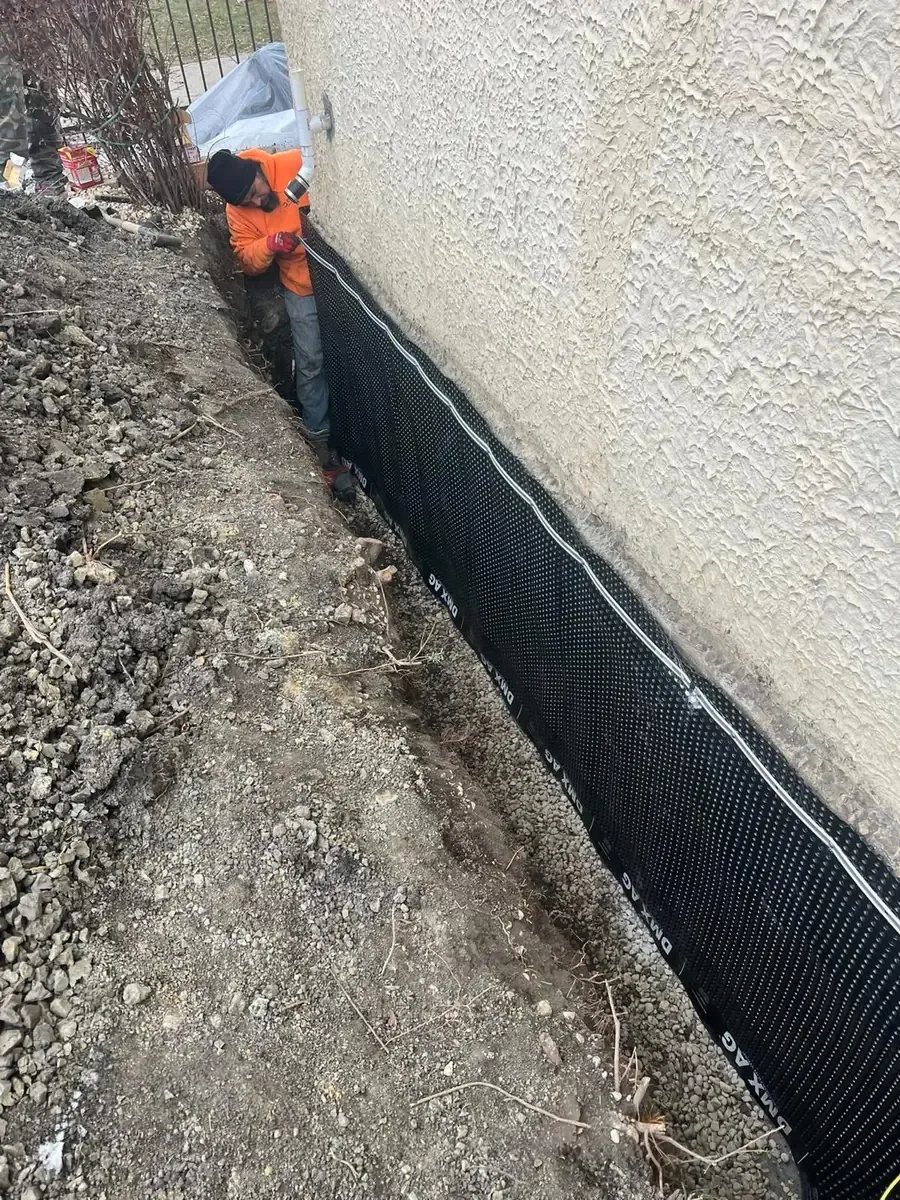
Finding water in a basement is frustrating, especially when it seems to appear only at certain times. Before contacting a contractor, you can gather a few observations from a safe place. You do not have to identify the source yourself.
Record the location
Note the room or corner where you first saw moisture. Is it on the floor, along a wall, around an opening, or in more than one place? A simple description or sketch can help you explain the pattern when you call. If you can see the area safely, a photo that shows the surrounding space is useful.
Avoid deciding that one visible wet spot proves a particular entry point. Water may travel before it becomes noticeable. Sharing what you actually observed gives the conversation a firmer starting point than trying to name the cause.
Note the timing
Write down when the moisture appeared and whether it followed rain, melting snow, or another event you noticed. If the area has dried before and become wet again, that pattern is worth mentioning. You can also note whether the amount appears to be changing, without trying to measure it precisely.
If you have older photos of the same area, keep them together with current ones. They may help explain whether a mark on a wall is longstanding or newly noticed. It is fine if you cannot say exactly when a condition began.
Describe the surrounding conditions
A contractor may ask about nearby windows, visible cracks, drains, or outside areas close to the affected wall. Mention only what you can observe without moving into an unsafe space. If water is close to electrical equipment or another hazard, keep your distance and seek appropriate help before attempting to document it.
If you have had prior waterproofing or drainage work, mention that too. Past work is useful context for discussing the property, even if you do not know how it relates to the current moisture.
Bring your questions
You may want to ask which waterproofing or drainage services could be relevant, what additional information would help clarify the scope, and how the next conversation about the project will work. These questions do not require you to choose a solution in advance.
Send us the location of your Chicago-area home, what you noticed, and any photos you can share safely. We can talk through the concern and the work that may be appropriate to discuss next.
After that first message, keep any new observations with the same notes. If the pattern changes, mention it in the next conversation. It may help to know whether moisture stayed in one spot or appeared somewhere else. These notes are a communication aid; they do not replace a discussion about the property and the work it may need.